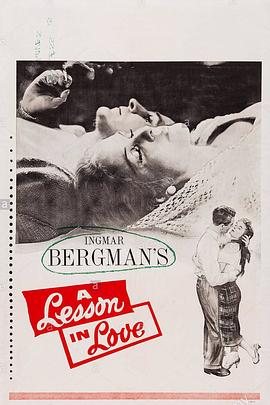
备注:已完结
类型:喜剧片
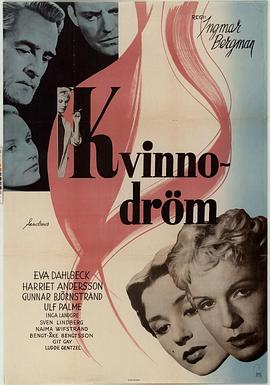
主演:伊娃·达尔贝克 古纳尔·布约恩施特兰德 伊冯·隆巴德 哈里特·安德森
导演:英格玛·伯格曼
语言:其它
年代:未知
简介:大卫(甘纳尔·布耶恩施特兰德 Gunnar Bj?rnstrand 饰)和玛丽安(伊娃·达尔贝克Eva Dahlbeck 饰)曾经也有过如胶似漆的热恋时刻,但结婚之后,时间的流逝磨灭了两人之间的激情的火花,十五年后的今天,他们早已经分居,成为了形同陌路的最熟悉的陌生人。 大卫是一名医生,他同自己的一名病人有着超越了医患关系的感情,与此同时,玛丽安也在背地里和名为卡尔(奥克·格伦贝里 ?ke Gr?nberg 饰)的男人有着不正当的关系,而卡尔是大卫最好的朋友。玛丽安踏上了前往哥本哈根的旅程,巧合的是,在途中她和卡尔以及大卫相遇了,这段不寻常的旅程让他们之间加深了对彼此的了解。
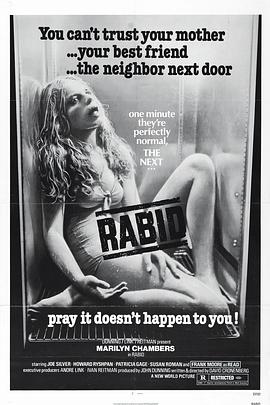
备注:已完结
类型:科幻片
主演:玛丽琳·钱伯斯 弗兰克·穆尔 乔·西尔弗 霍华德·雷什潘 帕特丽夏·盖
导演:大卫·柯南伯格
语言:英语
年代:未知
简介:加拿大导演戴维.克罗南伯格执导的本片,主要描写骇人听闻的疯狗病,受传染的人会口吐绿液,双眼发光,并且见人乱咬,几个小时后即不治而亡。美国著名的“性”星玛里琳.查姆伯丝扮演的罗丝小姐幼时曾患过疯狗病,因车祸受伤引起病毒复发,腋下竟然不可思议地长出一个嘴巴,而且内有一个可伸缩自如的肉刺,专用来插到别人身上吸血。于是,她在一个接一个吸别人血的同时,也把疯狗病迅速传播,使城市瞬间成为疯人满布的人间地狱…… 影片评价 仅仅就身体变异而言,克隆伯格的独特之处在于处处不忘对色情幻想进行扭曲,无论是《狂犬病》(Rabid)中女主角必须由腋下长出一只阴茎来对其阴道作出支撑,还是《录像带谋杀案》(Videodrome)中男主角长出阴道般的裂口,都是这种扭曲的必然,连录像带的转子,都像双乳一样扭动。《录像带谋杀案》其实还有一个原来设想的结局,就是一男(男主角麦克斯)两女(尼基和卞卡)合体,同时以各自的变异性器官相互绞缠吞噬。在《赤裸的午餐》(Naked lunch)中,那个最终撕开男性外皮露出女体乳房的总裁如果还不够刺激,等你意识到她的装束是女同施虐的标准配备,就会有格外的颤栗。
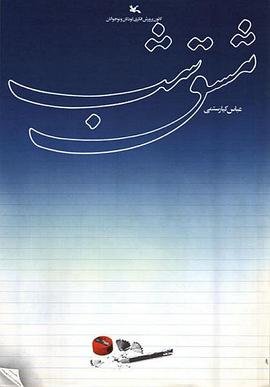
备注:已完结
类型:记录片
主演:Babak Ahmadpoor Farhang Akhavan Moh
导演:阿巴斯·基亚罗斯塔米
语言:其它
年代:未知
简介: 以采访的形式调查了人们对新实施的有关家庭作业的措施的看法,受访者有学生也有家长。在他们描绘的教育体制里,家庭作业不是教学手段,更像是枷锁,老师、家长和学生都处在一个痛苦、被迫与憎恨的恶性循环中。一位从事教育体制研究的家长警告说,这种惩罚学生而不是开发孩子们的创造力的倾向会产生愤怒和阴暗的一代人,他们会对任何精神问题都非常敏感。 自从阿巴斯参与了伊朗青少年教育发展协会,便尤为关注儿童所面临的问题。《家庭作业》是一部记录片,讲述人们对于家庭作业所持有的观点。为此,阿巴斯亲自采访了德黑兰某小学,进行了广泛的调查研究。令人惊奇的是,学生与家长对家庭作业都抱着不喜爱的态度,他们认为,家庭作业非但没有起到促进作用,反而成为人们心头负担。很多人为此忧心忡忡,对家庭作业感到厌恶并为之痛苦。面对这种情况,阿巴斯没有提出解决的办法,只是把问题具体而真实地袒露出来。
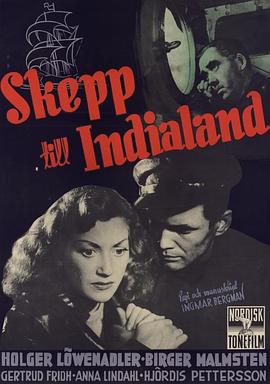
备注:已完结
类型:剧情片
主演:霍尔格·洛文纳德勒 安娜·林达尔 比耶·马尔姆斯滕 耶特鲁德·弗里德
导演:英格玛·伯格曼
语言:其它
年代:未知
简介:Sailor Johannes Blom returns to his home port, after seven years at sea, to find that Sally, the girl he has been thinking of while away, is completely despondent. Seven years earlier, obstreperous Alexander Blom, brings his mistress Sally to live with him, his wife Alice, son Johannes, and crew, aboard the salvage boat he captains. Amidst all the tensions on the small boat, Johannes and Sally fall in love with each other. Written by Will Gilbert
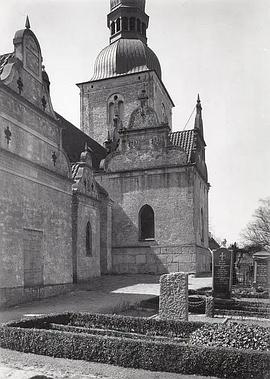
备注:已完结
类型:剧情片
主演:Ib Koch-Olsen
导演:卡尔·西奥多·德莱叶
语言:其它
年代:未知
简介:The history of Danish country church architecture is told by showing scenes of how the church was used by the congregation, beginning with the celebration of mass in a small and simple wooden church 800 years ago, and ending with the congregation singing in a village church of to-day. The development and the growth of the pattern of church architecture is shown. Dreyer in this film shows a series of churches from different periods with churchgoers in period clothing. Each period is separated by a shot of a church bell double-exposed on the sky. Although the film has a vibrant and instructive way of communicating the different epochs and styles to students, it does not exhibit the artistic quality that usually distinguishes a Dreyer film, except perhaps in some of the costumes, which were originally made for Day of Wrath. The board of Dansk Kulturfilm in autumn 1945 decided that their planned church film would exclusively be about village churches. Dreyer would rework the script that was written by editor and folk high-school principal Bernhard Jensen, aided by a committee of experts consisting of architect H. L?nborg-Jensen and Victor Hermansen, curator at the National Museum of Denmark. Dreyer had a first draft ready in mid-March, entitled Kirken er et gammelt Hus (The Church Is an Old House), which was distributed to the members of the committee for their comments. In the last half of July, Dreyer and Victor Hermansen travelled the country to look at suitable churches. They researched the details and at Dreyer’s request a number of technical changes were made to the churches, including the removal of porcelain holders for electrical wiring in Tveje Merl?se Church. On 4 July, Dreyer went in advance to Ringk?bing. Shooting was set to start a few days later with the arrival of the director of photography, Preben Frank, who had fallen off a ladder and broken his leg, Fortunately, he was ready to cautiously start working again within a few days, with his leg in a cast. Otherwise, the production went without a glitch. Everywhere, Dreyer said, they were well received at the vicarages and they had no problem getting enough extras. On 1 august, they returned to Copenhagen with almost all their footage in the can. They only needed to film the church in Skelby, where the weather had been against them, plus a Swedish wooden church in Hedared. The economy was distressed so soon after the war, especially when it came to foreign currency, but there were no real wooden churches left in Denmark and building an interior set in the studio would be too expensive. The finished film was shown for the first time on 24 September 1947 to a small, closed circle, which included the Minister for Ecclesiastical Affairs. In December 1947, as was Dansk Kulturfilm’s standard practice, the film was presented to the press, politicians and others on a programme with four other short films.