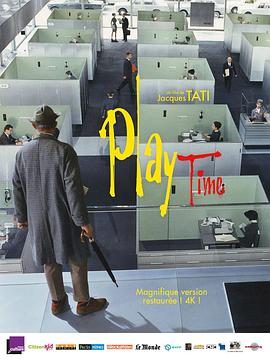
备注:已完结
类型:喜剧片
主演:雅克·塔蒂 Barbara Dennek France Rumilly
导演:雅克·塔蒂
语言:法语
年代:未知
简介:来到巴黎办事的于勒先生(雅克·塔蒂 Jacques Tati饰)初入巴黎就被超级现代化的世界博览会大楼所震惊。于勒先生很快就迷失在这座叹为观止的高科技大楼中,精妙绝伦的最新先进设备、流光溢彩的博览会景观以及来自世界各地的游客和顾客,都让于勒先生大开眼界。当于勒先生终于想起要去找办事的人时,天已渐黑。谈完公事,于勒先生来到了刚刚装修好的夜总会。午夜魅影,恍如白昼,里面的男男女女兴致正高。自然,于勒先生也加入了他们的狂欢队伍。于勒先生更一时兴起,把刚刚装修好的屋顶装饰弄了下来,屋内一片狼藉。怎知客人们非但没有觉得扫兴,反而玩得更加疯狂。旦夕之间已是清晨,狂欢一夜后的巴黎别有一番韵味。 由法国著名喜剧导演雅克·塔蒂自编自导自演的喜剧影片《玩乐时间》,用一种接近单色的色调和70毫米的巨大画卷,将钢筋玻璃世界的冷酷转化成格格不入的超现实影像。本片几乎没有对白,但巧妙的运用了音效,加上演员肢体动作的表现,有着较为浓厚的早期默片风格。
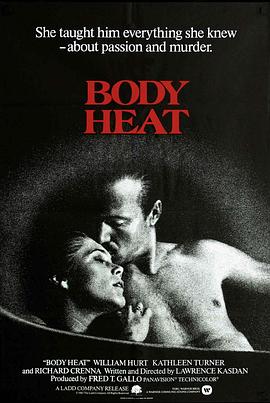
备注:已完结
类型:剧情片
主演:威廉·赫特 凯瑟琳·特纳 理查德·克里纳 特德·丹森 J.A. Pre
导演:劳伦斯·卡斯丹
语言:英语
年代:未知
简介: 奈德•拉辛(威廉姆•赫特 William Hurt 饰)是一位油滑无能又好色的佛罗里达律师。在一场音乐会上,奈德邂逅了已婚名媛麦蒂•沃克(凯瑟琳•特纳 Kathleen Turner 饰)。二人的婚外恋情使奈德日益疯狂,他终于决定铲除麦蒂的丈夫,大亨埃德蒙•沃克(理查德•克莱纳 Richard Crenna 饰),帮麦蒂继承财产后远走高飞。命案发生后,奈德的好友,公诉律师皮特(泰德•丹森 Ted Danson 饰)和警探奥斯卡(J•A•普莱斯顿 J.A. Preston 饰)都反对奈德与麦蒂继续交往,同时不得不对埃德蒙•沃克之死展开调查。事态的发展越来越超出奈德的预料,他究竟能否信任麦蒂? 本片获金球奖年度最佳新星提名(凯瑟琳•特纳)和英国电影电视协会奖最佳新星提名(凯瑟琳•特纳)。
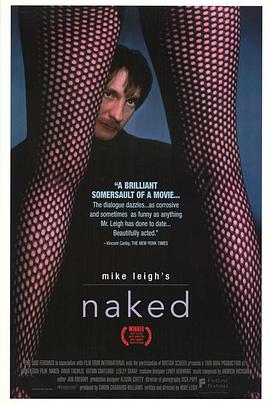
备注:已完结
类型:剧情片
主演:大卫·休里斯 莱斯利·夏普 凯特琳·卡特利吉 克莱尔·斯金纳 彼得·怀
导演:迈克·李
语言:英语
年代:未知
简介:冷酷粗暴的流浪汉约翰尼(大卫·休里斯 David Thewlis饰)来到伦敦寻找自己的前任女友路易丝·克兰西(莱丝莉·夏普 Lesley Sharp饰),从一座失业问题严重的工业城市曼彻斯特来到交织在光鲜与黑暗中的大都市伦敦。约翰尼结识了路易丝的室友索菲(凯特琳·卡特利吉 Katrin Cartlidge饰),两人当天就在公寓做了爱。一觉醒来,已经爱上约翰尼的索菲得到的却是约翰尼一副玩世不恭的冷面拒绝。愤世嫉俗的约翰尼不仅仇视女性,也痛恨着自己与他身处的一切。他冷漠地与陌生女人做爱,绝望地与这个世界暴力相向。 本片荣获1993年第46届戛纳电影节主竞赛单元-最佳导演大奖,男主角大卫·休里斯凭借此片荣获最佳男演员奖,本片也同时入围第46届戛纳电影节主竞赛单元-金棕榈奖。
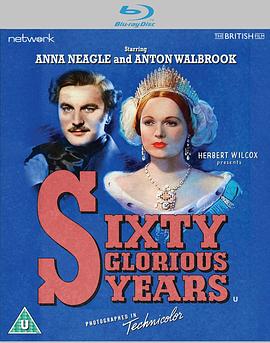
备注:已完结
类型:剧情片
主演:Anna Neagle Anton Walbrook C. Aubre
语言:英语
年代:未知
简介: Sixty Glorious Years is an exercise in the creation of iconography, both for Victoria and its star, Anna Neagle (who subsequently became known as 'Regal Neagle'). Just as Elizabeth I commissioned artists to create flattering iconic images for public consumption, so this film performs a similar function, for Neagle is more beautiful than the real life Victoria. Controversial events (such as the 'Irish problem') are omitted and unpleasant aspects of Victoria's character (her petulance, arrogance, favouritism and 'right to privilege') are glossed over as endearing little 'whims'. Albert acts as a moderating influence when she goes too far. The film followed a year after the highly successful Victoria the Great (d. Herbert Wilcox, 1937). Again the screenplay is by Miles Malleson and Robert Vansittart, and many of the supporting cast (the cream of acting talent of period) repeat their roles, this time for the colour cameras. This was the first full length Technicolor film of cinematographer Freddie Young, who captures the spectacle of royal weddings, grand balls and opulent interiors, with scenes actually filmed at royal palaces. Vivid battle scenes, set in Alexander Korda's empire territory (Sevastopol and the Sudan), rival those in The Four Feathers (d. Zoltan Korda 1939). The title music sets the tone: a regal choir sings over a shot of the crown. Elgar's 1901 'Pomp and Circumstance' march is heard during the diamond jubilee celebrations and, as Victoria's coffin lies in state, the film concludes with Anthony Collins' stately music accompanied by the text of Rudyard Kipling's 'Lest we forget'. Combined with the emotional appeal of scenes of Victoria connecting with her 'ordinary folk', this is stirring stuff. The film connects with contemporary events of 1938. The release of two celebratory royal films was intended to boost public affection for the monarchy in the wake of Edward VIII's abdication. Anglo-German relations were another touchy subject. With another war on the horizon, influential voices wanted appeasement, and the film could be seen to fit that agenda. Victoria herself was of mainly German descent, nicknamed 'the grandmother of Europe', while Albert is a 'good German', charmingly played by Anton Walbrook as a cultured, decent man. Sixty Glorious Years now seems unduly formal and reverential. Had movies existed during Victoria's reign (they only emerged at the end) this might have been the kind of film produced. Unlike Mrs Brown (d. John Madden, 1997), it is all so very 'Victorian'. Roger Philip Mellor