备注:已完结
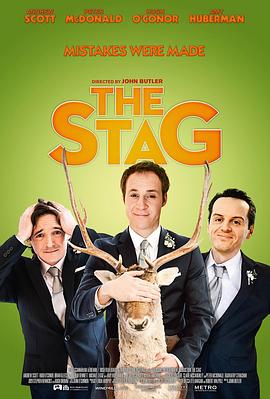
类型:喜剧片
主演:安德鲁·斯科特 布莱恩·格里森 艾米·胡伯曼 休·奥康纳 彼得·麦克唐
导演:约翰·巴特勒
语言:英语
年代:未知
简介:A group of male friends embark on an Irish stag party.一群单身汉在单身汉舞会. 这是一部关于描述男性友谊的爱尔兰喜剧。这部剧实际上有一点反单身的意味。对很多男性来讲,保持单身的想法是非常可怕的,这也是这部电影想要表达的东西。所以这会是一部非常欢乐的电影。根据 The Irish Examiner的报道Hugh O'Connor 将要扮演新郎。爱尔兰女演员Amy Huberman将出演准新娘。Andrew Scott 将在本片中扮演伴郎一角。(改自AS在Radio Times的采访)
备注:已完结
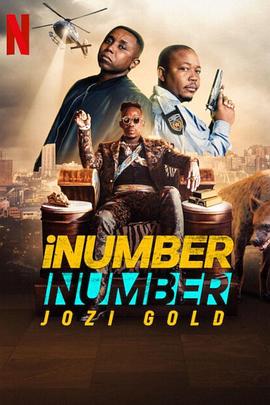
类型:动作片
主演:普雷斯利·奎文亚吉 Noxolo Dlamini 德翁·洛茨 邦基尔·
导演:多诺万·玛什
语言:英语
年代:未知
简介:一名卧底警察奉命调查约翰内斯堡一起重大黄金抢劫案,并被迫在良知与法律之间做出选择。
备注:已完结
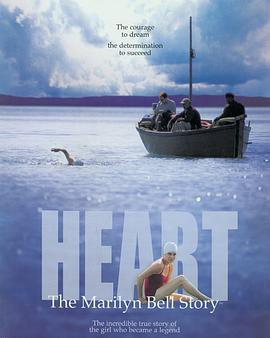
类型:剧情片
主演:Caroline Dhavernas Amy Sloan Vlasta
语言:英语
年代:未知
简介:该影片基于Marilyn Bell(Caroline Dhavernas饰演)的真实故事改编。Marilyn Bell当时16岁,是一名游泳健将,她正尝试成为第一个游泳横渡安大略湖的人。但当时美国还有位顶级游泳选手Florence Chadwick,与她一同在这场特殊的游泳马拉松中竞争第一。因为Florence Chadwick身经百战,所以大部分人都认为她会获取最终的胜利。但出乎意料的是,由于Florence Chadwick对途中艰险程度的轻视,导致了她退出了比赛,而Marilyn Bell坚持到了最后,最终成为了横渡安大略湖第一人。
备注:已完结
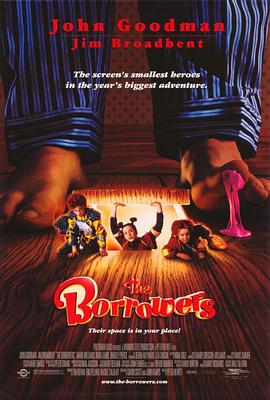
类型:喜剧片
主演:John Goodman Jim Broadbent Celia Im
导演:彼得·休伊特
语言:英语
年代:未知
简介:在波特家的地板缝里,居住着波德一家人,波德一族天生拥有着迷你的身材,靠着寄宿在人类家中,向人类借生活必备品维生。这一天,皮特(布莱德利·皮尔斯 Bradley Pierce 饰)向往常一样告别了父母前往学校,而他的父母也双双出门了,整个大房子成为了波德一家人的天下。 这一次,波德(约翰·古德曼 John Goodman 饰)带上了儿子皮特林(汤姆·费尔顿 Tom Felton 饰)和女儿阿列艾迪(弗洛拉·纽比金 Flora Newbigin 饰),那晓得皮特林在偷冰淇淋的时候却被误打误撞的关进了冰箱里。好巧不巧,波特家的主人在这个节骨眼上回家了,面临这前所未有的危机,波德会做出怎样的反应呢?
备注:已完结
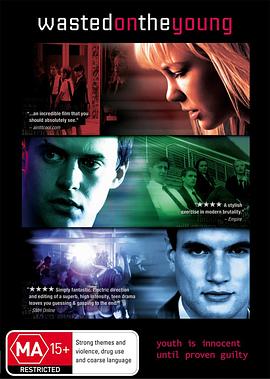
类型:剧情片
主演:Oliver Ackland Alex Russell Adelaid
语言:英语
年代:未知
简介:单一色调的八个游泳队员在同样单一色调的学校泳池破浪。 一对同母异父兄弟,大哥Zack是学校老大,他人脉广阔,在学校深受女生爱戴,不时发施号令, 要弟弟Darren代做化学家课;弟弟是典型电脑迷,时刻沉迷网络游戏及破解程式密码,弟弟不是一头乱发、佩带黑色大框架眼镜,以及衣衫不整以现代贬义称为的“宅男”,他是以兄长为校队游泳团队首领,成绩欠佳的游泳队员。爱接触阳光池水及精通电脑的男孩可谓文武兼备,他比不上哥哥的狡黠, 男人不坏,女人不爱,弟弟的木讷朴实不是女同学喜欢的类型,他遇见了倾心对象。 Xandrie的幼滑金丝、纯真笑容打动了Darren,他在哥哥搞的狂热派对找不到金发蓝衣美人,发放短讯联系,短句是只有年青网络族群才懂的文字,他在房间的监视器遍寻不获,遇到了意图借着酒精毒品弄得迷迷糊糊在电脑男房间胡天胡帝的男女,Darren挂心不知所在的Xandrie恐怕被男人下了药带到隐匿地方施暴,他害怕Xandrie遭遇 同一手段,他赶走了他们,是潜意识对抗利用酒及违禁粉末壮大胆子,麻醉常理,做出一发不可收拾劣行的校友。 单一色调的泳池竞赛选手不是八个,余下四个是校园欺凌的要角。
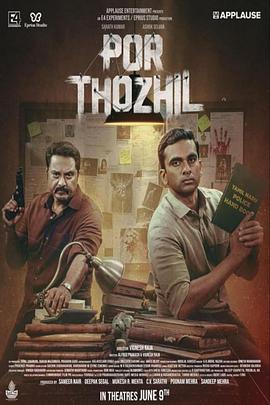
备注:已完结
类型:动作片
主演:萨拉特·库马尔 阿肖克·塞尔万 Nikhila Vimal Sarat
导演:Vignesh Raja
语言:泰米尔语,印地语,泰
年代:未知
简介:一名学习成绩优异但性格懦弱的菜鸟警察,为了成功完成他的第一个任务--与一名充满敌意、性格孤僻的资深警察联手抓捕一名逍遥法外的连环杀手,他必须勇敢起来,克服恐惧。@游目骋观影
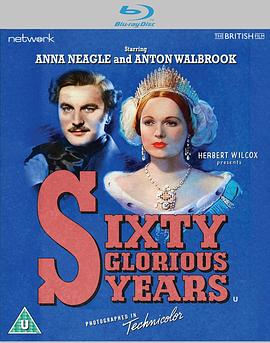
备注:已完结
类型:剧情片
主演:Anna Neagle Anton Walbrook C. Aubre
语言:英语
年代:未知
简介:Sixty Glorious Years is an exercise in the creation of iconography, both for Victoria and its star, Anna Neagle (who subsequently became known as 'Regal Neagle'). Just as Elizabeth I commissioned artists to create flattering iconic images for public consumption, so this film performs a similar function, for Neagle is more beautiful than the real life Victoria. Controversial events (such as the 'Irish problem') are omitted and unpleasant aspects of Victoria's character (her petulance, arrogance, favouritism and 'right to privilege') are glossed over as endearing little 'whims'. Albert acts as a moderating influence when she goes too far. The film followed a year after the highly successful Victoria the Great (d. Herbert Wilcox, 1937). Again the screenplay is by Miles Malleson and Robert Vansittart, and many of the supporting cast (the cream of acting talent of period) repeat their roles, this time for the colour cameras. This was the first full length Technicolor film of cinematographer Freddie Young, who captures the spectacle of royal weddings, grand balls and opulent interiors, with scenes actually filmed at royal palaces. Vivid battle scenes, set in Alexander Korda's empire territory (Sevastopol and the Sudan), rival those in The Four Feathers (d. Zoltan Korda 1939). The title music sets the tone a regal choir sings over a shot of the crown. Elgar's 1901 'Pomp and Circumstance' march is heard during the diamond jubilee celebrations and, as Victoria's coffin lies in state, the film concludes with Anthony Collins' stately music accompanied by the text of Rudyard Kipling's 'Lest we forget'. Combined with the emotional appeal of scenes of Victoria connecting with her 'ordinary folk', this is stirring stuff. The film connects with contemporary events of 1938. The release of two celebratory royal films was intended to boost public affection for the monarchy in the wake of Edward VIII's abdication. Anglo-German relations were another touchy subject. With another war on the horizon, influential voices wanted appeasement, and the film could be seen to fit that agenda. Victoria herself was of mainly German descent, nicknamed 'the grandmother of Europe', while Albert is a 'good German', charmingly played by Anton Walbrook as a cultured, decent man. Sixty Glorious Years now seems unduly formal and reverential. Had movies existed during Victoria's reign (they only emerged at the end) this might have been the kind of film produced. Unlike Mrs Brown (d. John Madden, 1997), it is all so very 'Victorian'. Roger Philip Mellor