备注:已完结
类型:喜剧片
主演:蓝正龙 杜汶泽 Chapman To 乔任梁 韩彩英 许志安 叶大鹰
导演:马俪文
语言:国语
年代:未知
简介:白领张泽(蓝正龙 饰)遭到公司辞退,他和无业多时的好友刘易郡(乔任梁 饰)拜访老大哥王云鹏(王云鹏 饰)寻找工作机会,恰逢后者得到了为温州房地产商销售迪拜楼盘的机会。于是兄弟三人不顾女友反对、出卖家传文物奔赴中东淘金,迪拜的风光还未尽收眼底,他们就收到了项目资金断裂的糟糕消息,而缺口高达二十亿。三人不甘失败,决定空手套白狼堵住缺口,在稳住地产商黄总(叶大鹰 饰)后,匆匆返回北京寻找资金。在接洽了熬死富翁老公的女富婆、大话连篇的前领导勤务员和粗犷的煤老板等一系列目标后,黄总对三人的耐心到了尽头,而他们此刻又纷纷后院起火,发财梦眼看破碎……
备注:已完结
类型:大陆剧
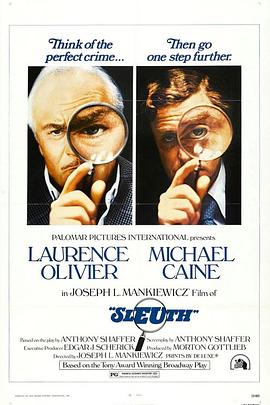
主演:劳伦斯·奥利弗 迈克尔·凯恩 亚历克·考索恩 John Matthew
导演:约瑟夫·L·曼凯维奇
语言:英语
年代:未知
简介:有钱的侦探作家Andrew Wyke(劳伦斯·奥利弗 Laurence Olivier 饰)邀请了Milo Tindle(迈克尔·凯恩 Michael Caine)来到了他富丽堂皇的家中。起初他们相谈甚欢,然而当Andrew指出他知道Milo是Andrew妻子的外遇对象 时,整个气氛开始变得诡异,充满了矛盾。Milo也气定神闲的告诉Andrew,他知道Andrew和一个妓女的风流韵事,并且Andrew的妻子正准备和他离婚。两人针锋相对,唇枪舌剑,互不相让。Andrew提出要和Milo玩一个游戏,Milo答应了。故事的走向渐渐出乎意料......
备注:已完结
类型:剧情片
导演:约翰·福特
语言:英语
年代:未知
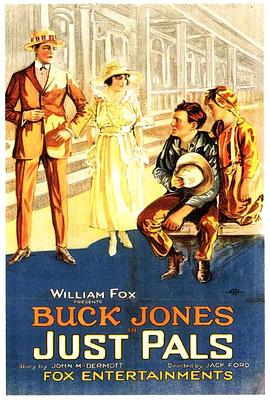
简介:约翰·福特导演早期作品,此时还在使用杰克·福特作为导演名,尽管福特曾拍摄过六十多部默片,但如今大多数都已遗失,本片是少数存留下来的几部之一,讲述了一个非常简单的西部小镇故事,故事主角比姆(Buck Jones)是一个流浪汉,某天他偶然认识了同样是流浪汉的男孩比尔(Georgie Stone),两人成为了亲密无间的好朋友。比姆一直暗恋着学校老师玛丽·布鲁斯(Helen Ferguson),然而她已经有男友哈维·卡希尔(William Buckley),再加上自己流浪汉的身份,他平常只敢远远地望着她。为了更好地照顾比尔,比姆打算寻找工作,却被雇主出了一个十分刁难的要求,比尔为了帮助比姆不幸摔伤,比姆在伤心之余又发现自己暗恋的玛丽也陷入了大麻烦。
备注:已完结
类型:动作片
主演:柏华力·莫高彼斯彻 Premsinee Ratanasopha 帕莎拉
语言:其它
年代:未知
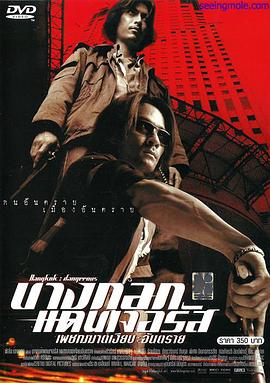
简介:刚(Pawalit Mongkolpisit)生来就失去了声音和听觉,一直生活在沉默和寂静之中,特殊的身份让他饱受他人的欺凌,刚的性格亦因此而变得冷漠自闭。某日,刚在一间枪击会所中找到了一份清洁工的职务,就此结识了侠肝义胆的祖(Pisek Intrakanchit 饰),祖一直保护着刚,教他使用枪械,训练体能,两人成为了挚友,共同成为了杀手,想要在业内干出一番大事业。 之后,刚遇见了美丽温柔的芳(Premsinee Ratanasopha 饰),两人相知相爱,感情十分要好。就在刚以为幸福的生活就要来临之际,传来了祖被仇家杀死的噩耗,悲痛和愤怒之中,刚只能放下和芳之间的感情,拿起冰冷的枪,为自己的好兄弟报仇。
备注:已完结
类型:剧情片
主演:Erich Kuby Renate Lang Guenther Str
语言:其它
年代:未知
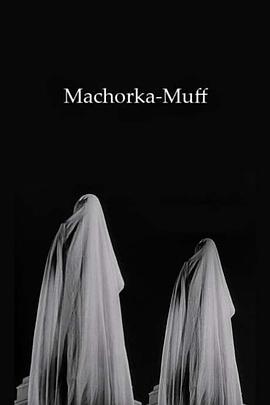
简介: Straub-Huillet’s adaptation of Heinrich Böll’s biting satire Bonn Diary presents the reflections of a reactivated officer who is summon ed to the West German capital by the Ministry of Defense to establish an Academy for Military Memories. Straub considered his film to be an intervention against German rearmament in the Adenauer era: "Machorka-Muff is the story of a rape, the rape of a country on which an army has been imposed, a country which would have been happier without one." In "Machorka-Muff," Mr. Straub, employing the cold, somewhat expressionistic but always loquacious approach of his other films, comes closest to underlining the almost subliminal irony of his themes. He briefly outlines, through the performance of Colonel Machorka-Muff, a former Nazi who is reinstated in the Adenauer regime, the unchanging thinking of the Nazi and/or the military mind. As the colonel of the title, Dr. Johannes Eckhardt is properly cold and convincing as the believer in the rights of the soldier. Although it is the shortest and earliest of Mr. Straub's films, it is both the most lucid of his works and the most clearly indicative of his potential as an imaginative filmmaker.
备注:已完结
类型:剧情片
主演:Bibiana Beglau Richard Kropf
导演:沃尔克·施隆多夫
语言:其它
年代:未知
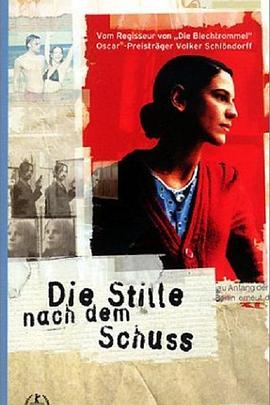
简介:Die BRD in den 70er Jahren. über die heitere Anarchie kommt Rita Vogt zum Terrorismus, verführt durch ihren Gerechtigkeitssinn und durch die Liebe zu Andi. Als sie das Scheitern der Bewegung erkennt, taucht sie in der DDR unter. Mit Hilfe der Staatsicherheit, personifiziert in Erwin Hull, beginnt für sie dort unter anderem Namen eine neue Existenz. Rita führt sozusagen das normale Leben der Arbeiterklasse. Sie will ankommen, w?hrend ihre junge Kollegin Tatjana weg will, in den Westen. Zwischen beiden beginnt eine Freundschaft, der eine Fahndungsmeldung im Westfernsehen ein abruptes Ende setzt. Wieder muss Rita untertauchen. Mit einem neuen Namen in einer neuen Stadt scheint sie mehr Glück zu haben. Rita lernt im Urlaub den Studenten Jochen kennen. Er will sie mit nach Moskau nehmen. Doch dann wird Rita von ihrer Vergangenheit eingeholt, es ist das Jahr 1989 - die Mauer f?llt, die DDR h?rt auf zu bestehen...
备注:已完结
类型:剧情片
导演:让-马里·斯特劳布
语言:其它
年代:未知
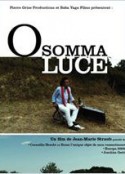
简介: 转自:http://www.filmlinc.com/nyff/2010/views-from-the-avant-garde-friday-october-1/views-from-the-avant-garde-jean-marie-straub “The end of paradise on earth.”—Jean-Marie Straub The 33rd verse and last chant of “paradise” in Dante’s Divine Comedy. The film starts with verse 67, “O somma luce…” and continues to the end. “O Somma luce” recalls the first words uttered by Empedocles in Danièle Huillet and Jean-Marie Straub’s 1987 The Death of Empedocles—“O himmlisch Licht!…” (O heavenly light!). This extract from Hölderlin’s text is also inserted into their 1989 film Cézanne. “O somma luce” invokes utopia, or better still “u-topos,” Dante, Holderlin, Cézanne… the camera movement, recalling Sisyphus, in the film’s long shots, suggests its difficulty. In O somma luce, with Giorgio Passerone’s Dante and the verse that concluded the Divine Comedy, we find at the extremity of its possibilities, the almost happy speech of a man who has just left earthly paradise, who tries to fully realize the potential of his nature. Between the two we find the story of the world. The first Jean-Marie Straub film shot in HD. So singular are the textual working methods of Straub-Huillet, and now Straub on his own, that it is hard to grasp how far reaching they are. Direction is a matter of words and speech, not emotions and action. Nothing happens at the edges, everything is at the core and shines from there alone. During the rehearsals we sense a slow process by which ingredients (a text, actors, an intuition) progress towards cohesiveness. It is, forgive the comparison, like the kneading of dough. It is the assembling and working of something until it becomes something else… and, in this case, starts to shine. Actually it’s very simple, it’s just a question of opening up to the light material that has been sealed up. Here, the process of kneading is to bring to life and then reveal. The material that is worked on is speech. So it is speech that becomes visible—nothing else. “Logos” comes to the cinema. The mise en scène of what words exactly? The process of revealing, “phainestai” “phainomenon,” the phenomenon, is what take splace, what becomes visible to the eye. Is “Straubie” Greece? This mise en scène of speech, which goes beyond a close reading of the chosen text, is truly comes from a distant source.—Barbara Ulrich