备注:已完结
类型:剧情片
主演:Artúr Somlay Miklós Gábor Zsuzsa Bá
语言:其它
年代:未知
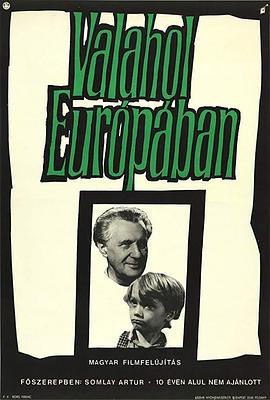
简介: Somewhere in the remote region, the war ends. In the midst of ruined cities and houses in the streets, in rural hamlets, everywhere where people still live, are children who have lost their homes and parents. Abandoned, hungry, and in rags, defenseless and humiliated, they wander through the world. Hunger drives them. Little streams of orphans merge into a river which rushes forward and submerges everything in its path. The children do not know any feeling they know only the world of their enemies. They fight, steal, struggle for a mouthful of food, and violence is merely a means to get it. A gang led by Cahoun finds a refuge in an abandoned castle and encounters an old composer who has voluntarily retired into solitude from a world of hatred, treason, and crime. How can they find a common ground, how can they become mutual friends? The castle becomes their hiding place but possibly it will also be their first home which they may organize and must defend. But even for this, the price will be very high. To this simple story, the journalist, writer, poet, scriptwriter, movie director, and film theoretician Béla Balázs applied many years of experience. He and the director Géza Radványi created a work which opened a new postwar chapter in Hungarian film. Surprisingly, this film has not lost any of its impact over the years, especially on a profound philosophical level. That is to say, it is not merely a movie about war it is not important in what location and in what period of time it takes place. It is a story outside of time about the joyless fate of children who pay dearly for the cruel war games of adults. At the time it was premiered, the movie was enthusiastically received by the critics. The main roles were taken by streetwise boys of a children's group who created their roles improvisationally in close contact with a few professional actors, and in the children's acting their own fresh experience of war's turmoil appears to be reflected. At the same time, their performance fits admirably into the mosaic of a very complex movie language. Balázs's influence revealed itself, above all, in the introductory sequences: an air raid on an amusement park, seen in a montage of dramatic situations evoking the last spasms of war, where, undoubtedly, we discern the influence of classical Soviet cinematography. Shooting, the boy's escape, the locomotive's wheels, the shadows of soldiers with submachine guns, the sound of a whistle—the images are linked together in abrupt sequences in which varying shots and expressive sharp sounds are emphasized. A perfectly planned screenplay avoided all elements of sentimentality, time-worn stereotypes of wronged children, romanticism and cheap simplification. The authors succeeded in bridging the perilous dramatic abyss of the metamorphosis of a children's community. Their telling of the story (the scene of pillaging, the assault on the castle, etc) independently introduced some neorealist elements which, at that time, were being propagated in Italy by De Sica, Rossellini, and other film artists. The rebukes of contemporary critics, who called attention to "formalism for its own sake" have been forgotten. The masterly art of cameraman Barnabás Hegyi gives vitality to the poetic images. His angle shots of the children, his composition of scenes in the castle interior, are a living document of the times, and underline the atmosphere and the characters of the protagonists. The success of the picture was also enhanced by the musical art of composer Dénes Buday who, in tense situations, inserted the theme of the Marseilaise into the movie's structure, as a motive of community unification, as an expression of friendship and the possibility of understanding. Valahol Europaban is the first significant postwar Hungarian film. It originated in a relaxed atmosphere, replete with joy and euphoria, and it includes these elements in order to demonstrate the strength of humanism, tolerance, and friendship. It represents a general condemnation of war anywhere in the world, in any form.
备注:已完结
类型:爱情片
主演:Abbas Sayah Shaghayeh Djodat Hossei
导演:莫森·玛克玛尔巴夫
语言:其它
年代:未知
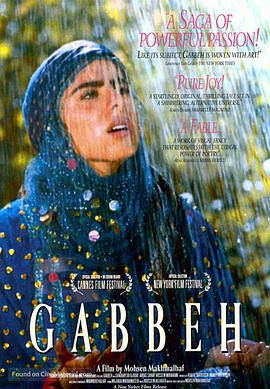
简介: 波斯绣毯世界闻名,一对老夫妇就拥有这么一张绣毯,上面绣着人物图案。当他们清洗绣毯时,从绣毯中奇异地走出一个姑娘,并讲述了一个忧伤的故事:姑娘与一个骑手两情相悦,他们的爱情却遭到了家族的反对,姑娘父亲甚至设置了种种障碍。在重重压力下,他们依然苦苦坚持,姑娘家庭属于游牧民族,经常迁徙,痴情的骑手便紧紧尾随在后面,陪伴着姑娘直到定居地点。安顿下来后,姑娘决定与骑手私奔,就在他们策马狂奔出走的时候,发现他们踪迹的人群紧紧追赶,并用枪结束了这对有情人的生命。原来这就是绣毯上的故事。
备注:已完结
类型:爱情片
主演:兹德娜·斯图登科娃 Vlastimil Harapes 瓦克拉·沃斯卡
导演:尤拉伊·赫兹
语言:其它
年代:未知
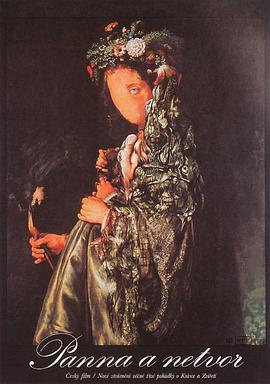
简介: 在回家的途中,一位商人(瓦克拉·沃斯卡 Václav Voska 饰)遭遇了罕见的暴风雪,昏天黑地之中,商人误打误撞来到了一幢豪华神秘的城堡前。商人在城堡中受到了贵宾般的优厚待遇,但直到最后,商人仍然不知道城堡的主人究竟是谁。暴风雪停歇了,商人准备离开,临走之前,他决定在花园中摘一朵玫瑰送给自己最喜爱的小女儿贝儿(兹德娜·斯图登科娃 Zdena Studenková 饰),而令他没有想到的是,长相狰狞的野兽(Vlastimil Harapes 饰)出现在了他的面前向他索命。 商人失魂落魄的回到了家,将自己的遭遇告诉了六个儿女,爱父心切的贝儿决定代替父亲,只身来到了城堡。然而,等待着贝儿的却并非死亡,而是更加盛情的款待,野兽对她唯一的要求,就是不要离开城堡半步。贝儿并不惧怕野兽,随着时间的推移,两人之间的关系越来越近。
备注:已完结
类型:剧情片
主演:季纳伊达·沙尔科 Oleg Vladimirsky Tatyana M
导演:琪拉·穆拉托娃
语言:其它
年代:未知
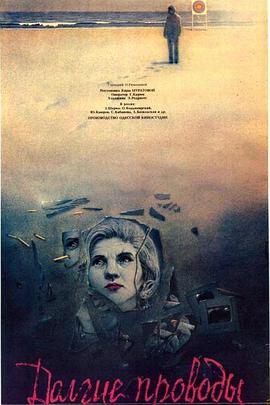
简介:It is a great film by a great director.Kira Muratova has never been given her due in the Soviet and post-Soviet Russia.In the Long Good Bye she depicts a seemingly banal story of a jealous and possessive mother (brilliantly acted by Zinaida Sharko) and her poor aloof and lonely son (the only cinematic role by the talented O. Vladimirsky). The story - which is nothing extraordinary in itself - grows into the wonderful and frightening analysis of alienation between genders and generations on the background of the even more frighteningly bleak and dehumanized Soviet reality.Kira Muratova shows the tiny details of everyday Soviet life,and, again , banal as they are ,they are a hair-raising horror.The dialogue is deliberately laconic and void of any sense, showing the ever-growing people's inability to communicate and understand each other.The sound track ( by another under-estimated talent, Oleg Karavaichuk)adds to the atmosphere of hopeless and meaningless existence.Of course,Sasha (the name of the protagonist),will leave his despotic ( but loving!) mother sooner or later, but where for (c)
备注:已完结
类型:剧情片
主演:迪娜·霍瓦索瓦 达格玛·维斯科莫娃 朱拉什·库库拉 Lubomír P
导演:朱拉·亚库比斯克
语言:其它
年代:未知
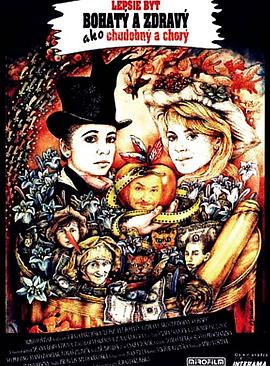
简介:故事发生在捷克,诺娜(迪娜·霍瓦索瓦 Deana Horváthová 饰)是一个平凡的女人,一次偶然中,诺娜解释了名为艾斯特(达格玛·维斯科莫娃 Dagmar Veskrnová 饰)的护士,艾斯特告诉诺娜,她曾经的恋人是一名党员,在革命失败之后,心灰意冷的他选择了自杀。 诺娜怀孕了,可是,当她把这一喜讯告诉男友时,男友却选择了逃避和退缩,此时是艾斯特向诺娜伸出了援手,收留了无处可去的她。两个女人想要生存下去第一件事情就是要想方设法的赚钱,她们想了很多损招,最后还是靠卖掉了艾斯特已故的恋人的画作而赚了一大笔钱。就这样,两朵末路狂花走上了不归路。
备注:已完结
类型:喜剧片
主演:Fatemeh Cherag Akhar Hassan Nebhan
导演:玛兹嫣·玛克玛尔巴夫
语言:其它
年代:未知
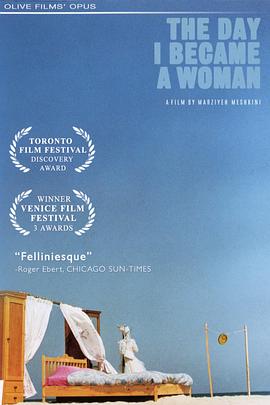
简介:本片讲述伊朗三个不同年龄段女性的故事:1)小女孩哈娃(Fatemeh Cherag Akhar 饰)即将迎来9岁的生日,过了生日后,她就必须遮上面纱,不能和男孩们接触了。离生日还有一个小时,她决定和自己的好朋友共度这最后的时光;2)阿和(Shabnam Toloui 饰)逃离施暴的丈夫,和一群女伴参加长途自行车比赛。一路上,她的亲人、朋友接连赶来,试图阻止她叛逆的举动;3)老婆婆霍拉(Azizeh Sedighi 饰)来到一座城市内疯狂购物,并雇佣一群小孩搬运,但她似乎忘记了什么东西…… 本片荣获2000年芝加哥国际电影节最佳处女作奖、2000年釜山国际电影节新浪潮奖、2000年多伦多国际电影节发现奖第二名、2000年威尼斯电影节最佳处女作奖。

备注:已完结
类型:爱情片
主演:希拉里·斯万克 科洛·塞维尼 彼得·萨斯加德 布兰登·萨克斯顿 艾丽西
导演:金伯莉·皮尔斯
语言:英语
年代:未知
简介: 布兰顿(希拉里•斯万克 Hilary Swank 饰)来到法奥斯城,成为了当地的大众情人,很受女性欢迎。然而他却有着不为人知的隐秘——俊男本是女儿身。“他”的真名叫蒂娜,一直对自己是个女性缺失认同。他喜欢成为男性,并决定来到这个陌生的城市开始新角色和新生活。 布兰顿和当地女孩拉娜(科洛•塞维尼 Chloë Sevigny 饰)恋爱了,还和拉娜的前男友成为好友——尽管他们粗野、酗酒,行为暴戾,但被接纳的布兰顿却得到了认同感。生活朝着布兰顿想要的方向发展,一次交通违章却暴露了所有的秘密。布兰顿被识破女儿身,尽管拉娜原谅了她,悲剧却发生了。拉娜的前男友对布兰顿怒不可遏,将她摧毁在一场残忍的暴力事件中。
备注:已完结
类型:剧情片
主演:Norma Bengell Odete Lara Mário Benv
导演:沃尔特·雨果·克霍里
语言:其它
年代:未知
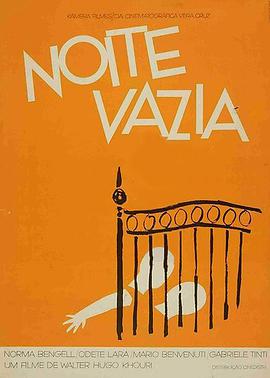
简介: 本片围绕着四个角色进行。晚上离开妻儿出门的卢悉奥(Luisinho)和刚结束一段感情生活的纳尔逊(Nelson)驾驶着汽车四处寻乐,以此打发晚上的空虚和无聊。几经周折之后他们找了两名三陪女子回到房间。整个夜晚四个人之间的关系不断发生微妙变化。该片前75分钟全部为夜景,配以略带诡异感觉的钢琴曲,整部作品偏现代。 沃尔特·雨果·克霍里(Walter Hugo Khouri)(1929.10.21-2003.6.27)号称是巴西电影界的伯格曼,《空洞的夜》(1964)《燃烧的躯体》(1966)和《好色之徒》(1968)是他的人性三部曲,在他的影片中充满着存在主义的疑问、角色复杂内心的独白和现代主义的电影语言。本片是向安东尼奥尼《蚀》的致敬之作,入围了1965年法国戛纳电影节,是一部精致的巴西新浪潮艺术电影。
备注:已完结
类型:剧情片
主演:Samat Beysenbin Baljan Bisembekova
导演:达赫让·奥米尔巴耶夫
语言:其它
年代:未知
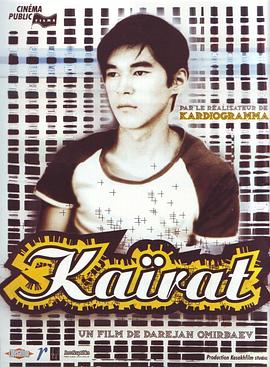
简介:1991年8月19日苏联政变,结束了戈尔巴乔夫的政权。这一天,在几千公里之外,哈萨克的首府Alma-Ata(当时尚未独立)有一位名不见经传的33岁导演,正在拍摄他的第一部长片,那时还没有人知道他就是日后被广为讨论的Omirbayev,哈萨克新电影运动的带代表人物。而他的这一部影《卡依哈》也因时际会地成了在电影史上前、后苏联的分水领。卡依哈,一个二十岁的乡下青年,搭上前往Almaty的火车,他想继续升学,但是因为隔壁同学作弊,导致他失去入学考试资格。他继续留在城里,接受驾驶市公交车的训练。直到一天遇到喜欢的女子Indira,她是暑期打工的大学生。 本片描绘因为苏联解体,哈萨克必需寻找自己出路的时候,一对身处对未来充满不确定因素的男女,他们伤感与来不及发生的爱情故事。摄影机紧跟着主角在城市中的脚步,他们的情绪、错误与游荡。面对需要步步为营的城市,每个孤寂与惊恐的个体所赖以为生的,只是他们的梦想。
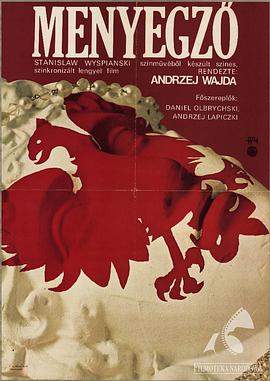
备注:已完结
类型:剧情片
主演:马雷克·瓦尔切夫斯基 伊萨贝拉·奥斯则瓦斯卡 埃娃·津泰克 达尼尔·奥
导演:安杰伊·瓦伊达
语言:其它
年代:未知
简介: Set at the turn of the century, the story concerns a Polish poet living in Cracow who has decided to marry a peasant girl. The wedding is attended by a heterogenous group of people from all strata of Polish society, who dance, get drunk and lament Poland's 100-year-long division of Poland under Russia, Prussia, and Austria. The bridegroom, a painter friend, and a journalist each in turn is confronted with spectres of Polish past. In the end a call to arms is called but turns out to be a hoax.